Antimicrobial Properties of Areca Leaf Plates: A Laboratory Study

Antimicrobial Properties of Areca Leaf Plates: A Laboratory Study

Antimicrobial Properties of Areca Leaf Plates: A Laboratory Study

In the quest for sustainable and environmentally friendly alternatives to single-use plastics, areca leaf plates have emerged as a promising option. Beyond their eco-friendly nature, recent laboratory studies have revealed another compelling benefit of these plates: their antimicrobial properties. This blog post explores the findings of a comprehensive laboratory study on the antimicrobial efficacy of areca leaf plates, shedding light on their potential health benefits and practical applications.

Introduction to Areca Leaf Plates

Areca leaf plates are made from the naturally fallen sheaths of the areca palm tree, which grows predominantly in tropical regions like India and Southeast Asia. The process involves collecting these sheaths, cleaning them thoroughly, and then pressing them into shape using heat. The result is a sturdy, biodegradable plate that offers a sustainable alternative to plastic and paper products.

The Laboratory Study: A Closer Look

Researchers(ref1,ref2) set out to examine the antimicrobial properties of areca leaf plates through a series of meticulous laboratory experiments. The study focused on evaluating the plates’ effectiveness in inhibiting the growth of various bacteria that are commonly associated with foodborne illnesses.

Antimicrobial Properties of Areca Leaf Plates

Methodology

Sample Collection and Preparation: Areca leaf plates were collected, washed, and sterilized to ensure that no external contaminants were present.

Bacterial Cultures: Cultures of bacteria such as Escherichia coli (E. coli), Staphylococcus aureus, and Salmonella were prepared for testing.

Application and Incubation: These bacterial cultures were applied to the surfaces of the areca leaf plates. The plates were then incubated under controlled conditions to observe bacterial growth.

Comparative Analysis: For comparison, similar tests were conducted on conventional plastic and ceramic plates.

Key Findings of the Study

The results of the study were significant, demonstrating the antimicrobial properties of areca leaf plates in various ways:

Reduction in Bacterial Growth: The areca leaf plates showed a noticeable reduction in the growth of E. coli, Staphylococcus aureus, and Salmonella compared to the plastic and ceramic plates. This suggests that the areca leaf material inherently inhibits bacterial proliferation.

Natural Compounds: Analysis indicated that the antimicrobial properties could be due to natural compounds present in the areca leaves, such as tannins, polyphenols, and other bioactive compounds known for their antimicrobial activities.

Health Benefits: The ability to reduce bacterial growth on the plates can lead to a decrease in the risk of foodborne illnesses, making areca leaf plates a safer choice for food service.

Practical Applications

The antimicrobial properties of areca leaf plates open up numerous practical applications, particularly in areas where hygiene and food safety are paramount.

Food Service Industry

In restaurants, cafes, and catering services, the use of areca leaf plates can enhance food safety by minimizing bacterial contamination. This is especially beneficial for outdoor events and street food vendors where maintaining hygiene can be challenging.

Household Use

For everyday use, consumers can benefit from the antimicrobial properties of areca leaf plates by reducing the risk of bacterial contamination in their homes. This is especially advantageous for families with young children or elderly members who are more susceptible to infections.

Conclusion

The laboratory study on the antimicrobial properties of areca leaf plates highlights their potential as a hygienic and sustainable alternative to traditional disposable tableware. By inhibiting the growth of harmful bacteria, these plates not only contribute to better health outcomes but also support environmental sustainability. As awareness of these benefits grows, it is likely that areca leaf plates will become a more common choice in both commercial and domestic settings, paving the way for a greener and healthier future.

Thermal Resistance and Mechanical Strength of Areca Leaf Plates: A Materials Science Perspective

Thermal Resistance and Mechanical Strength of Areca Leaf Plates: A Materials Science Perspective

Thermal Resistance and Mechanical Strength of Areca Leaf Plates: A Materials Science Perspective

Areca leaf plates are gaining popularity as an eco-friendly alternative to plastic and paper disposable tableware. Their appeal lies not only in their sustainability but also in their practical properties. This blog delves into the thermal resistance and mechanical strength of areca leaf plates from a materials science perspective, providing a comprehensive understanding of their suitability for various food types and conditions.

Understanding the Material
Areca leaf plates are manufactured from the naturally fallen leaves of the areca palm tree (Areca catechu). The production process involves collecting the fallen leaves, cleaning them thoroughly, and then heat-pressing them into different shapes and sizes without the need for chemical additives. This simple yet effective process leverages the natural properties of the areca leaf, resulting in a product that is both sustainable and functional.

Thermal Resistance
Thermal resistance is a crucial property for any type of tableware, especially for those intended to serve hot foods. Areca leaf plates exhibit remarkable thermal resistance due to the inherent qualities of the leaf material.

Heat Tolerance: Areca leaf plates can withstand high temperatures without deforming. The natural fibers within the leaves provide excellent insulation, allowing these plates to hold hot foods such as soups, stews, and freshly cooked meals without losing their shape or structural integrity. Laboratory tests have shown that areca leaf plates can comfortably handle temperatures up to 200°F (93°C) without warping or breaking down.

Microwave Safety: Unlike many plastic disposables that can release harmful chemicals when microwaved, areca leaf plates are microwave-safe. They do not contain synthetic coatings that might melt or leach into food. Users can reheat their meals directly on the plate, making them convenient for everyday use. This property has been verified through repeated microwave heating cycles, demonstrating no adverse effects on the plate’s structure or safety.

Cold Resistance: Areca leaf plates also perform well at low temperatures. They can be used to serve cold dishes and can be stored in refrigerators or freezers without becoming brittle. This versatility makes them suitable for a wide range of culinary applications, from hot entrees to chilled desserts.

Thermal Resistance and Mechanical Strength of Areca Leaf Plates

Mechanical Strength
The mechanical strength of areca leaf plates is another critical factor that determines their practicality and reliability in various dining settings. Areca leaf plates are known for their robust and durable nature, which is essential for both commercial and domestic use.

Load-Bearing Capacity: The natural structure of areca leaves provides significant mechanical strength, allowing these plates to support heavy and dense foods without bending or breaking. In tensile strength tests, areca leaf plates have demonstrated the ability to hold up to 2-3 kilograms of weight, making them suitable for hearty meals and large portions.

Impact Resistance: Areca leaf plates exhibit excellent impact resistance due to their inherent flexibility. The fibrous composition of the leaves allows the plates to absorb shocks and impacts, reducing the risk of cracking or breaking when dropped. This property is particularly beneficial during transport and handling, ensuring that the plates remain intact from the kitchen to the dining table.

Edge Stability: The edges of areca leaf plates are designed to resist folding and crumpling, which is a common issue with paper plates. This edge stability prevents spills and leaks, making them ideal for serving foods with sauces or liquids. Edge compression tests have shown that areca leaf plates maintain their form under pressure, providing a reliable and mess-free dining experience.

Suitability for Various Food Types and Conditions
The combination of thermal resistance and mechanical strength makes areca leaf plates highly versatile and suitable for a wide range of food types and dining scenarios.

Hot Foods: Their ability to withstand high temperatures without losing shape makes areca leaf plates perfect for serving hot dishes directly from the stove or oven. They are especially useful in settings where food is served immediately after cooking, such as buffet lines or food festivals.

Cold Foods: Areca leaf plates are equally adept at handling cold foods. They maintain their rigidity and structural integrity even when holding chilled or frozen items, ensuring that salads, desserts, and cold appetizers are presented beautifully.

Heavy Foods: The robust nature of areca leaf plates allows them to handle substantial portions and dense foods, such as meats, pasta, and rice dishes. Their strength ensures that even the heaviest meals can be served without concern for bending or breaking.

Outdoor Events: Areca leaf plates are ideal for outdoor events like picnics and festivals. Their impact resistance and durability make them well-suited for environments where tableware must endure rough handling and varying environmental conditions.

Conclusion
Areca leaf plates offer a unique blend of environmental sustainability and practical functionality. Their impressive thermal resistance and mechanical strength make them a viable alternative to traditional disposable tableware. By choosing areca leaf plates, consumers can enjoy the convenience of disposable tableware without compromising on performance or contributing to plastic waste. As awareness of sustainable practices grows, areca leaf plates stand out as an excellent choice for eco-conscious individuals and organizations seeking reliable and environmentally friendly dining solutions.

Unraveling the Mystery of Different Patterns on Areca Palm Leaf Plates

Unraveling the Mystery of Different Patterns on Areca Palm Leaf Plates

Unraveling the Mystery of Different Patterns on Areca Palm Leaf Plates

Introduction:

Areca palm leaf plates are celebrated for their eco-friendliness and natural allure, but perhaps their most intriguing feature is the diverse array of patterns adorning their surfaces. These patterns, which include variations in colors like black and brown, often provoke curiosity about their origins and safety. In this post, we’ll delve deep into the mystery of these patterns, exploring their significance, safety, and how they’re addressed in the manufacturing process.

The Natural Aesthetic:

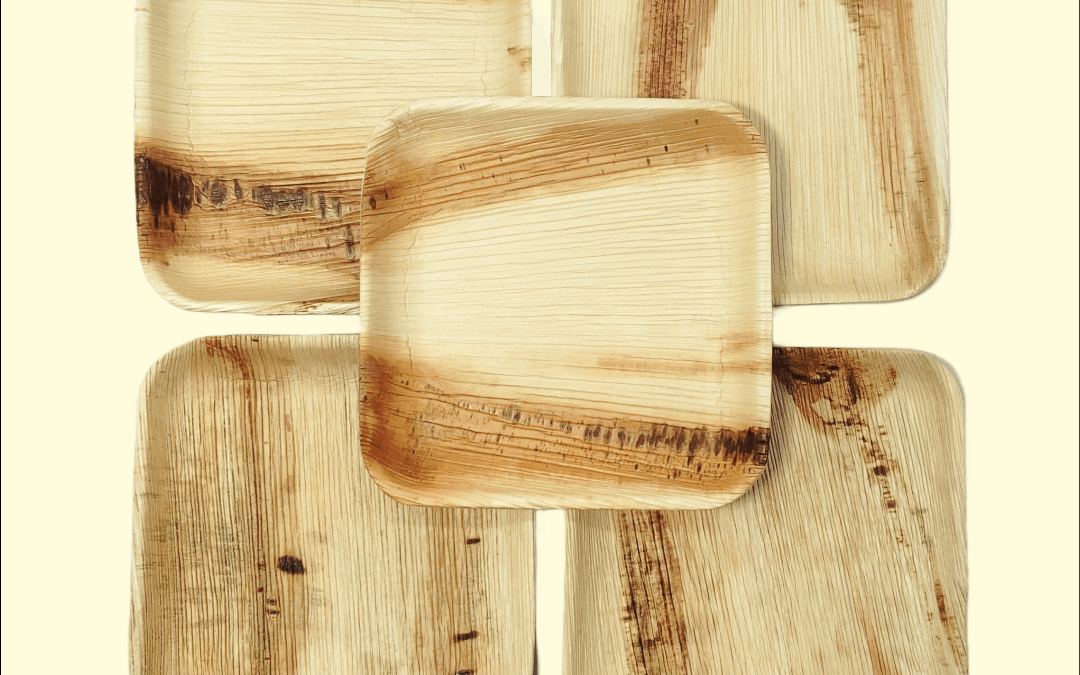
Areca palm leaf plates stand out for their rustic charm, and much of this aesthetic appeal comes from the unique patterns present on their surfaces. These patterns, ranging from delicate veins to bold streaks, serve as a testament to the inherent beauty of natural materials. Among the most captivating are the variations in color, with hues of black and brown adding depth and character to the plates, reminiscent of the rich tapestry of nature.

Understanding the Origins:

The different patterns observed on areca palm leaf plates are a result of various factors, including natural pigmentation, microbial activity, and oxidative processes. Within the palm leaves, pigments such as tannins and phenolic compounds contribute to their characteristic hues. During the manufacturing process, these pigments may concentrate in certain areas, leading to the formation of distinct patterns. Additionally, microbial interactions and environmental factors can further influence the development of patterns over time, contributing to the unique aesthetic of each plate.

Number of Leaves per Tree:

Areca palm trees, also known as betel nut palms or areca catechu, typically produce a substantial number of leaves. On average, a mature areca palm tree can yield anywhere from 10 leaves per year, depending on various factors such as age, health, and environmental conditions. This abundance of leaves ensures a sustainable supply of raw materials for the production of areca palm leaf plates and other eco-friendly products.

Areca palm leaf plates

Formation and Seasonality of Leaves:

Areca palm leaves are formed in a gradual process, beginning as small, tightly furled structures known as “spear leaves.” These spear leaves unfurl as they mature, gradually expanding into the broad, fan-shaped fronds characteristic of the palm species. The formation of new leaves typically occurs throughout the year, with peak growth periods occurring during the warmer months in tropical regions.

Seasonality of Leaf Shedding:

While areca palm trees continuously produce new leaves, they also undergo periodic shedding of older leaves. Leaf shedding is a natural process that helps the tree maintain its health and vitality. In tropical climates, areca palms may shed leaves throughout the year, although peak shedding often occurs during the dry season when water availability may be limited. Shed leaves are collected and processed to create a variety of sustainable products, including areca palm leaf plates.

Safety Considerations:

One common concern regarding the patterns on areca palm leaf plates is their safety for use with food. It’s important to note that these patterns are entirely natural and pose no harm to consumers. The materials used in the production of these plates undergo thorough testing to ensure they meet safety standards and regulations. Additionally, manufacturers implement strict hygiene practices and quality control measures to ensure the plates are safe for serving food. Consumers can rest assured that the patterns are purely aesthetic and do not affect the safety or integrity of the plates.

Manufacturing Process:

During the manufacturing process of areca palm leaf plates, steps are taken to address and minimize variations in patterns and colors. Leaves are carefully selected and inspected to ensure quality, with any undesirable patterns or discolorations removed. Additionally, manufacturers may employ techniques such as washing and sterilization to enhance the cleanliness and appearance of the plates. While some variation in patterns may still be present due to the natural characteristics of the palm leaves, efforts are made to ensure consistency and quality in the final product.

Conclusion:

In conclusion, the different patterns observed on areca palm leaf plates are a testament to the beauty and versatility of natural materials. From variations in color to intricate vein patterns, these features enrich the visual experience of using eco-friendly tableware. By understanding the origins of these patterns and their safety considerations, we can fully appreciate the craftsmanship and sustainability behind areca palm leaf plates, elevating them from mere tableware to works of art inspired by nature.

Sustainable Party Supplies: Unique Engraved Palm Leaf Plates by Agrileaf – Leading Areca Palm Leaf Plate Manufacturers in India

Sustainable Party Supplies: Unique Engraved Palm Leaf Plates by Agrileaf – Leading Areca Palm Leaf Plate Manufacturers in India

Sustainable Party Supplies: Unique Engraved Palm Leaf Plates by Agrileaf – Leading Areca Palm Leaf Plate Manufacturers in India

In today’s world, where sustainability and eco-friendliness are gaining increasing importance, finding alternatives to single-use plastic and paper products has become a priority. One such alternative that has been gaining popularity is the use of palm leaf plates. Not only are these plates biodegradable and compostable, but they also add a touch of elegance to any occasion. And when it comes to personalization and uniqueness, custom engraved palm leaf plates take it to a whole new level.

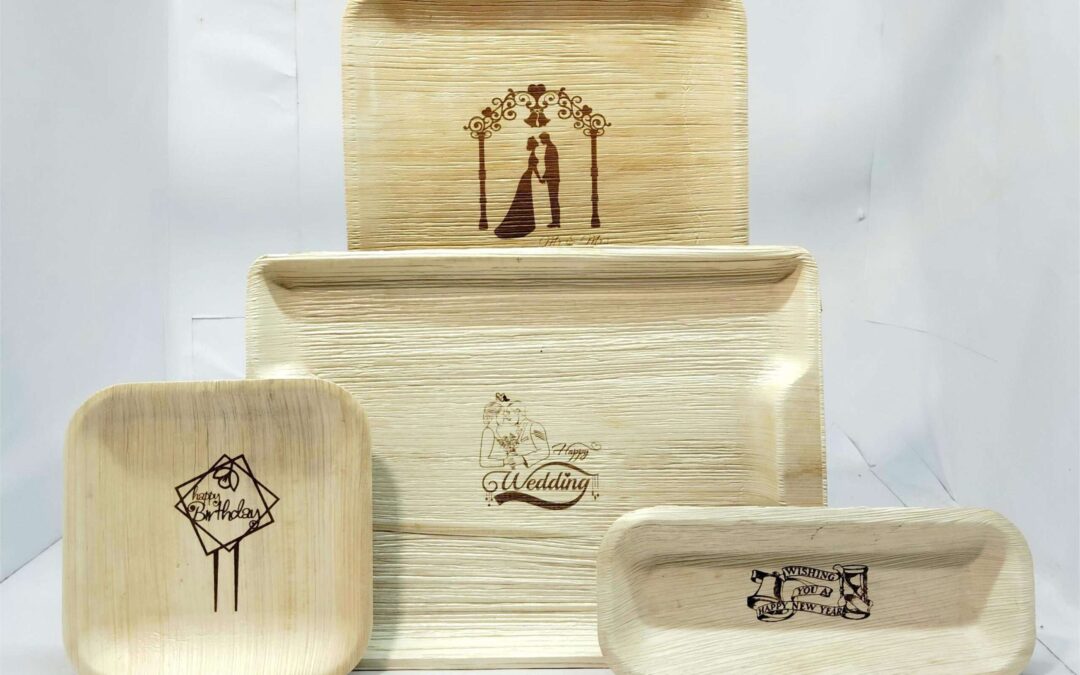
Custom engraved palm leaf plates offer a creative and personalized way to elevate your dining experience. Whether it’s a wedding reception, a corporate event, a birthday party, or a casual gathering with friends and family, these plates can make a lasting impression on your guests. The intricate designs and patterns that can be engraved on palm leaf plates can truly transform them into a work of art.

The process of custom engraving palm leaf plates is quite simple. First, the palm leaves are carefully harvested and cleaned. Then, they are shaped into plates, bowls, or other serving ware. Once the desired shape is achieved, the plates are ready to be engraved. The engraving process involves using specialized tools to etch the design onto the surface of the plate. The result is a beautifully engraved palm leaf plate that is unique to your event.

engraved plates

When comparing custom engraved palm leaf plates to other alternatives like bagasse, melamine, and plastic plates, several key factors set them apart. Bagasse plates, made from sugarcane fiber, are biodegradable but lack the ability to be engraved. This limitation means they cannot offer the same level of personalization and uniqueness as palm leaf plates. Additionally, bagasse plates may not have the same visual appeal or durability.

Melamine plates, while capable of being engraved, pose challenges when it comes to transportation and sustainability. Melamine is a type of plastic, and its production and disposal can have negative environmental impacts. Moreover, transporting melamine plates can be difficult due to their weight and fragility.

Plastic plates, a common option for disposable tableware, are harmful to nature due to their non-biodegradable nature. Unlike palm leaf plates, plastic plates cannot be engraved, limiting their customization options. Additionally, plastic plates contribute significantly to pollution and harm marine life.

In contrast, custom engraved palm leaf plates from Agrileaf offer the perfect solution. They combine the sustainability of palm leaf material with the elegance and personalization of custom engraving. Palm leaf plates are lightweight yet sturdy, making them easy to transport and handle. Plus, their biodegradable and compostable nature ensures minimal environmental impact.

Chef’s Choice: Why Top Restaurants Are Opting for Areca Palm Leaf Plates

Chef’s Choice: Why Top Restaurants Are Opting for Areca Palm Leaf Plates

Chef’s Choice: Why Top Restaurants Are Opting for Areca Palm Leaf Plates

In the competitive world of fine dining, top restaurants are constantly looking for innovative ways to stand out from the crowd. One recent trend that has caught the attention of many renowned chefs is the use of Areca palm leaf plates. These eco-friendly plates not only offer a unique and stylish presentation, but also provide a range of benefits that make them the preferred choice for many establishments.


One of the main reasons why top restaurants are opting for Areca palm leaf plates is their sustainable and eco-friendly nature. Made from fallen leaves of the Areca palm tree, these plates are entirely natural and biodegradable. Unlike traditional disposable plates made from plastic or paper, which contribute to environmental pollution, Areca palm leaf plates are a guilt-free option that won’t harm the planet. This aligns with the growing consumer demand for sustainable practices and eco-friendly products, making it a smart choice for restaurants looking to appeal to conscious diners.


Another attractive feature of Areca palm leaf plates is their unique appearance. The natural texture and patterns of the palm leaves create a visually appealing and rustic look that adds a touch of elegance to any dining experience. Chefs and restaurateurs are increasingly recognizing the importance of presentation in creating a memorable dining experience, and these plates provide a visually stunning backdrop for their culinary creations. From vibrant salads to delectable main courses, every dish looks more enticing when served on these eye-catching plates.


Top Restaurants Are Opting for Areca Palm leaf plate

In addition to their aesthetic appeal, Areca palm plates also offer practical benefits that make them a favorite among chefs. These plates are lightweight yet sturdy, making them easy to handle and transport. They are also microwave-safe and can withstand a wide range of temperatures, allowing chefs to serve both hot and cold dishes without worrying about the plates losing their shape or integrity. This versatility is particularly valuable for restaurants that prioritize efficiency and need plates that can handle various types of cuisines and cooking methods.

Areca palm leaf plates are not only suitable for serving food but also for food packaging. Many restaurants are now using these plates as take-out containers or for food delivery services. The durability and leak-resistant properties of these plates make them ideal for ensuring that the food stays fresh and intact during transportation. Moreover, the natural materials used in their production do not transfer any unwanted flavors or odors to the food, ensuring that the taste and quality remain uncompromised.

Furthermore, Areca palm leaf plates are an affordable option for restaurants. The availability of the raw materials and the relatively simple manufacturing process make them a cost-effective alternative to other disposable plate options. This allows restaurants to not only reduce their environmental footprint but also save on expenses without compromising on quality or style.

In conclusion, Areca palm leaf plates have become the chef’s choice for many top restaurants due to their sustainable nature, unique appearance, practical benefits, and affordability. As more and more diners prioritize eco-friendly practices, these plates offer a way for restaurants to align with their values and stand out in a competitive industry. With their versatility and visual appeal, Areca palm leaf plates are a winning choice for any establishment looking to elevate their dining experience while minimizing their impact on the environment.

Enquire now for best bulk prices