The Eco-Friendly Choice: Reusability of Palm Leaf Plates

The Eco-Friendly Choice: Reusability of Palm Leaf Plates

The Eco-Friendly Choice: Reusability of Palm Leaf Plates

In today’s world, the push towards sustainability and eco-friendly practices is stronger than ever. One significant area where we can make a positive impact is in our choice of dinnerware. Palm leaf plates have emerged as a fantastic option, offering a blend of natural aesthetics, durability, and environmental responsibility. But just how reusable are these plates? Let’s delve into the reusability of palm leaf plates and explore how to make the most out of them.

Understanding Palm Leaf Plates

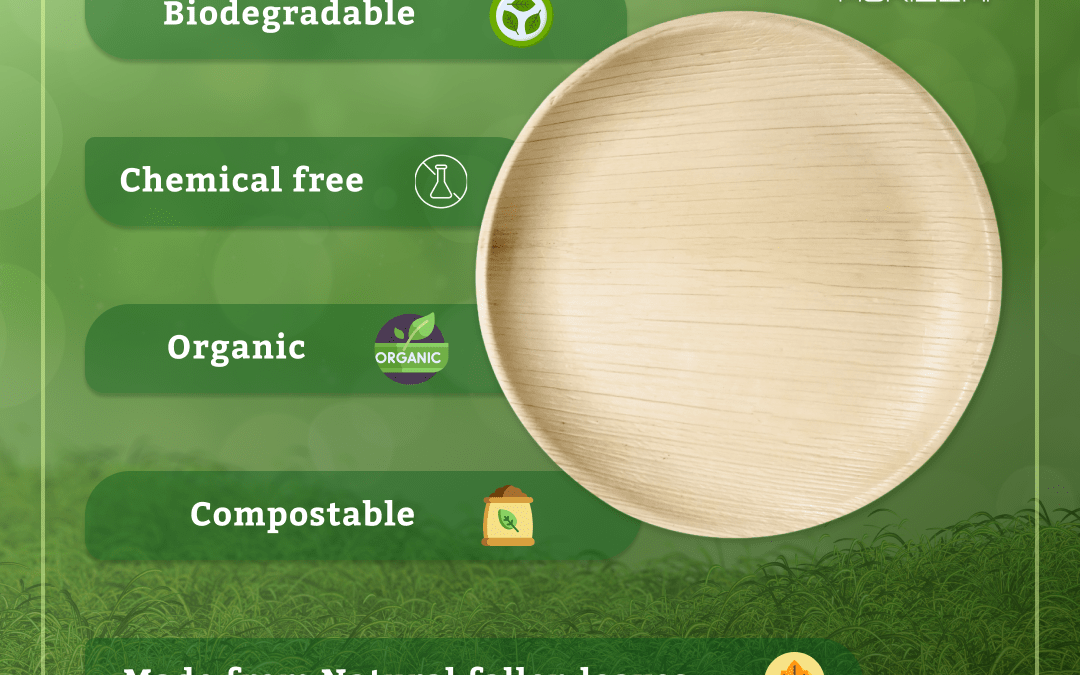
Palm leaf plates are made from naturally fallen leaves of the Areca palm tree. These leaves are collected, cleaned, and then heat-pressed into various shapes and sizes, creating sturdy and attractive plates. Since they are made entirely from natural materials, they are biodegradable and compostable, making them a superior choice over plastic and Styrofoam alternatives.

Reusability of Palm Leaf Plates

While palm leaf plates are primarily designed for single use, they do offer a degree of reusability that can extend their life span, especially when used for individual purposes. Here’s how you can maximize their use:

  1. Light Usage and Cleaning
    • For light meals such as sandwiches, salads, or snacks, palm leaf plates can be gently cleaned and reused up to 2-3 times. After each use, simply rinse the plate with fresh water. Avoid using harsh detergents or scrubbing vigorously, as this can damage the plate’s surface and reduce its durability.
  2. Proper Drying
    • After washing, make sure to pat the plates dry with a soft cloth and allow them to air dry completely. Proper drying helps maintain the integrity of the plate, preventing any warping or breakdown of the material.
  3. Storing Correctly
    • Store the cleaned and dried plates in a cool, dry place. Keeping them away from moisture and heat will further extend their usability, allowing you to make the most out of each plate.
Reusable palm leaf plate

Best Practices for Reusing Palm Leaf Plates

To ensure you get the best performance from your palm leaf plates during their limited reuse period, consider these additional tips:

  • Use for Dry or Semi-Dry Foods: While palm leaf plates are quite sturdy, using them for dry or semi-dry foods can help maintain their condition longer. Avoid using them for very wet or oily dishes, as these can cause the plates to deteriorate faster.
  • Gentle Handling: Handle the plates gently to prevent cracks or splits. They are robust but can still break under excessive force.
  • Environmentally Conscious Disposal: After you’ve reused the plates a few times and they’re no longer fit for serving food, consider composting them. Since they are biodegradable, they will break down naturally and enrich the soil.

Conclusion

Palm leaf plates offer a practical and eco-friendly alternative to traditional disposable plates. While intended for one-time use, with careful handling and cleaning, they can be reused up to 2-3 times for individual meals, reducing waste and maximizing their value. By choosing palm leaf plates, you’re not only making a sustainable choice but also contributing to a greener planet.

Next time you plan a gathering or a picnic, consider the benefits of palm leaf plates – a choice that combines convenience with responsibility. Enjoy your meals knowing you’re making a positive impact on the environment, one plate at a time.
The True Cost of Eco-Friendly Disposable Plates: Are They Worth the Investment?

The True Cost of Eco-Friendly Disposable Plates: Are They Worth the Investment?

The True Cost of Eco-Friendly Disposable Plates: Are They Worth the Investment?

When planning an event or simply stocking up on disposable plates, the initial cost often drives the decision. In India, conventional plastic dinnerware typically costs around 1-2 rupees per plate, whereas eco-friendly palm leaf plates can be priced around 4-6 rupees each. At first glance, the higher price of palm leaf plates might seem hard to justify, especially for large gatherings or events on a budget. However, when you consider the broader implications, the investment in eco-friendly plates is more than justified. Let’s explore why spending a bit more on palm leaf plates is worth every rupee.


Environmental Impact

  1. Biodegradability:
    • Plastic Plates: Plastic plates can take up to 500 years to decompose, leading to long-term environmental pollution. They often end up in landfills or as litter, harming wildlife and ecosystems.
    • Palm Leaf Plates: Palm leaf plates are fully biodegradable and compostable, breaking down naturally within a few months. They return to the earth without leaving harmful residues, significantly reducing landfill waste.
  2. Resource Consumption:
    • Plastic Plates: The production of plastic plates involves extracting and refining petroleum, a non-renewable resource. This process is energy-intensive and contributes to greenhouse gas emissions.
    • Palm Leaf Plates: These plates are made from naturally fallen palm leaves, requiring minimal processing and no chemicals. This makes their production much more sustainable and less resource-intensive.
Eco friendly disposable plates

Health and Safety

  1. Chemical Exposure:
    • Plastic Plates: When heated, plastic plates can leach harmful chemicals like BPA and phthalates into food, posing potential health risks.
    • Palm Leaf Plates: Palm leaf plates are free from harmful chemicals and safe for serving hot foods. They do not release any toxins, ensuring a healthier dining experience.
  2. Allergy and Sensitivity Considerations:
    • Plastic Plates: Some people may experience allergic reactions to the chemicals found in plastic.
    • Palm Leaf Plates: Being natural and chemical-free, palm leaf plates are hypoallergenic and safe for people with sensitivities.

Aesthetic and Experience

  1. Visual Appeal:
    • Plastic Plates: Often considered cheap and unattractive, plastic plates are not ideal for special occasions.
    • Palm Leaf Plates: Each palm leaf plate is unique, featuring natural patterns and a rustic, elegant look that enhances any event’s aesthetic.
  2. Durability:
    • Plastic Plates: While durable, plastic plates can become brittle and may not handle heavy or hot foods well.
    • Palm Leaf Plates: Palm leaf plates are sturdy and can handle a wide variety of foods, including hot and heavy dishes, without bending or leaking.

Long-term Financial Considerations

  1. Waste Management Costs:
    • Plastic Plates: Disposing of plastic waste incurs significant costs for waste management and environmental cleanup, often funded by taxpayers.
    • Palm Leaf Plates: Disposable plates reduce the burden on waste management systems, potentially lowering community disposal costs over time.
  2. Brand and Image:
    • Plastic Plates: Using plastic plates can negatively impact your brand, especially if you’re promoting sustainability.
    • Palm Leaf Plates: Demonstrating a commitment to eco-friendliness by using palm leaf plates can enhance your brand image, attracting environmentally conscious customers.

Conclusion

While the upfront cost of palm leaf plates is higher than that of plastic plates, the long-term benefits to the environment, health, and overall dining experience make them a worthwhile investment. By opting for palm leaf plates, you contribute to a more sustainable future, ensure a safer and more pleasant dining experience, and potentially save on long-term waste management costs. The true cost of these plates extends beyond their price tag, encompassing the positive impact on our planet and society. So next time you’re in the market for disposable plates, consider the bigger picture and invest in eco-friendly palm leaf plates.

Celebrating World Environment Day: How Agrileaf and Palm Products Contribute to a Greener Planet

Celebrating World Environment Day: How Agrileaf and Palm Products Contribute to a Greener Planet

Celebrating World Environment Day: How Agrileaf and Palm Products Contribute to a Greener Planet

Celebrating World Environment Day: How Agrileaf and Palm Products Contribute to a Greener Planet

Every year on June 5th, the world comes together to celebrate World Environment Day, a global initiative led by the United Nations to encourage awareness and action for the protection of our environment. This day serves as a reminder of our collective responsibility to preserve and nurture our planet for future generations. One of the critical areas of focus is reducing plastic pollution and promoting sustainable alternatives, which is where companies like Agrileaf play a pivotal role.

The Significance of World Environment Day

World Environment Day is not just a celebration but a call to action. It highlights pressing environmental issues such as climate change, deforestation, pollution, and biodiversity loss. This year’s theme, “Ecosystem Restoration,” emphasizes the urgent need to revive damaged ecosystems, from forests and farmlands to rivers and oceans. The goal is to prevent, halt, and reverse the damage, transitioning from exploiting nature to healing it.

Agrileaf: Leading the Way in Sustainable Solutions

Agrileaf, a leading manufacturer of areca palm leaf plates in India, is at the forefront of the sustainable products movement. By offering eco-friendly alternatives to traditional plastic and Styrofoam tableware, Agrileaf is making a significant impact on reducing environmental pollution and promoting sustainability.

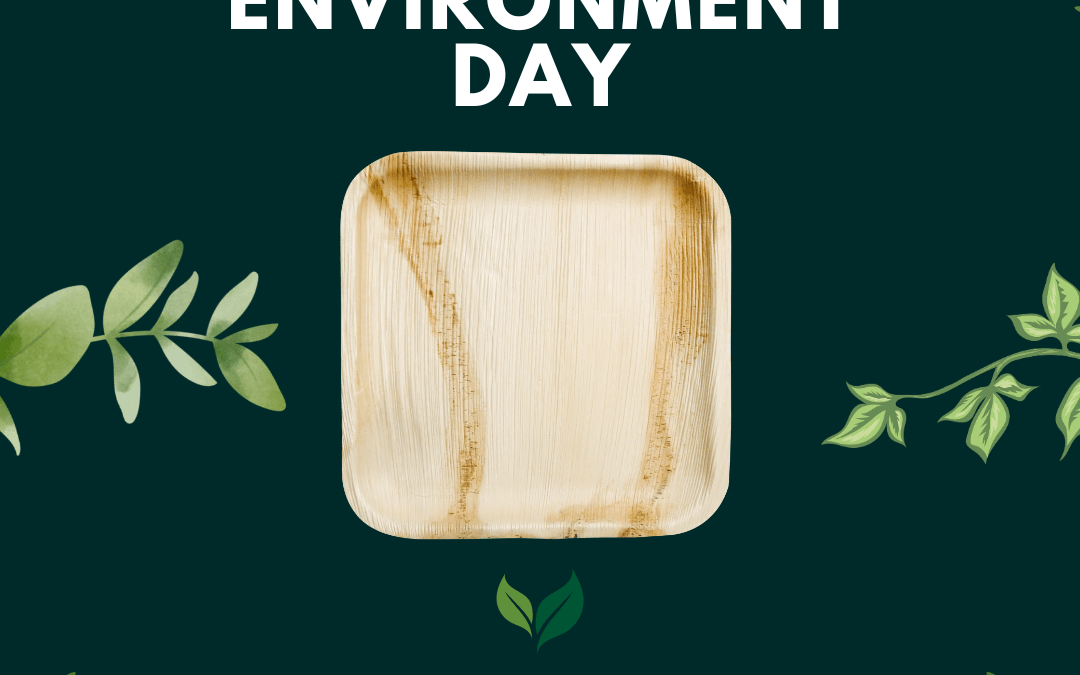
Environment day photo

The Environmental Impact of Areca Palm Leaf Plates

  1. Biodegradability: Areca palm leaf plates are 100% natural and biodegradable. Unlike plastic, which can take hundreds of years to decompose, these plates break down naturally within a few months. This greatly reduces the amount of waste that ends up in landfills and oceans.
  2. Chemical-Free: The production process of areca palm leaf plates does not involve any chemicals or additives. The leaves are simply collected, cleaned, and heat-pressed into shape. This ensures that no harmful substances leach into food or the environment.
  3. Resource Efficiency: The areca palm leaves used by Agrileaf are naturally shed from the trees, meaning no trees are cut down for their production. This practice supports sustainable resource management and reduces deforestation.

Carbon Footprint: The manufacturing process of areca palm leaf plates is energy-efficient and has a low carbon footprint compared to plastic production. Additionally, being locally sourced and produced in India, Agrileaf supports local economies and reduces the carbon emissions associated with transportation.

Promoting a Circular Economy

Agrileaf’s commitment to sustainability extends beyond just producing eco-friendly tableware. By promoting the use of biodegradable products, they contribute to a circular economy where resources are reused and recycled, minimizing waste and environmental impact. Consumers who choose areca palm leaf plates are participating in this sustainable cycle, reducing their ecological footprint.

How You Can Make a Difference

On this World Environment Day, consider how your choices impact the environment. Opt for sustainable products like Agrileaf’s areca palm leaf plates for your gatherings and events. Here are a few steps you can take:

  1. Switch to Eco-Friendly Tableware: Replace plastic and Styrofoam plates with biodegradable alternatives.
  2. Educate Others: Spread the word about the benefits of sustainable products and the importance of reducing plastic waste.
  3. Support Sustainable Brands: Choose to buy from companies that prioritize environmental responsibility.
  4. Reduce, Reuse, Recycle: Adopt practices that minimize waste in your daily life.

Conclusion

World Environment Day is a crucial reminder of the importance of protecting our planet. Companies like Agrileaf are leading the charge by providing sustainable alternatives to harmful plastic products. By choosing eco-friendly options such as areca palm leaf plates, we can all contribute to a healthier, more sustainable world. Let’s use this day to commit to making more environmentally conscious decisions and supporting the movement towards a greener future.

Sustainable Areca Palm Leaf Waste Management: Agrileaf’s Eco-friendly Approach

Sustainable Areca Palm Leaf Waste Management: Agrileaf’s Eco-friendly Approach

Sustainable Areca Palm Leaf Waste Management: Agrileaf’s Eco-friendly Approach

In today’s world, sustainable practices are more crucial than ever, especially in manufacturing industries. Agrileaf, a leading areca palm leaf plate manufacturer in India, exemplifies this ethos with its comprehensive waste management strategy. Our commitment to sustainability extends from the initial collection of raw materials to the final disposal and recycling of production waste, ensuring that nothing goes to waste.

The Beginning: Using Fallen Leaves

At Agrileaf, our journey begins with the collection of fallen areca palm leaves. Unlike traditional manufacturing processes that often involve cutting down trees and contributing to deforestation, we rely solely on leaves that have naturally fallen. This practice not only preserves our trees but also supports the natural ecosystem, making our raw material collection process inherently sustainable.

Production Process: Minimizing Waste

Once the fallen leaves are collected, they undergo a meticulous cleaning and processing phase to transform them into durable, eco-friendly plates. However, even with the most efficient manufacturing processes, some waste is inevitable. Agrileaf produces around 10 tons of waste per month from the plate manufacturing process. These waste pieces of leaves, which are by-products of the plate manufacturing process, are not discarded irresponsibly. Instead, we have devised an innovative and eco-conscious solution to handle this waste. The used water is then recycled through an Effluent Treatment Plant (ETP). Per day, 50,000 liters of water is recycled.

Regular Collection and Transportation

Agrileaf ensures efficient and timely disposal of the waste generated from the plate manufacturing process. This regular collection routine not only helps in maintaining a clean and organized production environment but also ensures that the waste is handled promptly and efficiently.

Sustainable Areca Palm Leaf Waste Management

Collaboration with Agricultural Organizations

Agrileaf has partnered with esteemed agricultural organizations known for their commitment to organic farming and sustainable practices. All the waste pieces of leaves generated during our manufacturing process are delivered to their facilities. This collaboration ensures that the waste is utilized productively rather than ending up in landfills.

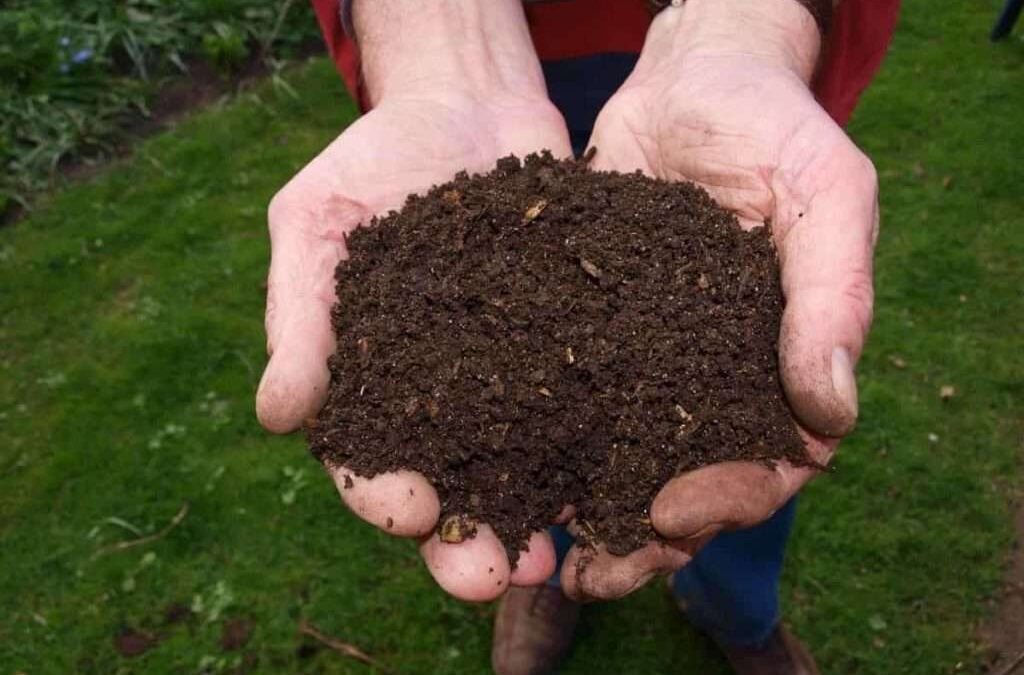
Composting and Vermiculture: Creating Earthworm Manure

At these agricultural facilities, the collected leaf waste is combined with other organic waste materials for composting. This mixture undergoes a natural decomposition process, facilitated by the activity of earthworms. The result is nutrient-rich earthworm manure, also known as vermicompost. This process not only recycles the waste but also produces high-quality organic fertilizer that is used to enrich the soil and support sustainable farming practices.

Closing the Loop: Zero Waste Production

Agrileaf’s commitment to sustainability means that from the beginning to the end of our production process, nothing goes to waste. By utilizing fallen leaves and ensuring that all production waste is converted into valuable compost, we close the loop on waste management. This approach not only supports the environment but also promotes the principles of a circular economy, where resources are reused and recycled continuously.

Conclusion: Leading by Example

Agrileaf’s waste management practices serve as a model for other manufacturers seeking to adopt more sustainable operations. Our collaboration with agricultural organizations highlights the importance of community partnerships in achieving environmental goals. By turning what was once considered waste into a valuable resource, we demonstrate that sustainability and profitability can go hand in hand.

In conclusion, at Agrileaf, we are proud of our comprehensive waste management system that ensures every part of the areca palm leaf is used responsibly. Our dedication to using fallen leaves and converting waste into earthworm manure underscores our commitment to the environment and sustainable practices. Through innovation and collaboration, we continue to lead the way in eco-friendly manufacturing.

Antimicrobial Properties of Areca Leaf Plates: A Laboratory Study

Antimicrobial Properties of Areca Leaf Plates: A Laboratory Study

Antimicrobial Properties of Areca Leaf Plates: A Laboratory Study

In the quest for sustainable and environmentally friendly alternatives to single-use plastics, areca leaf plates have emerged as a promising option. Beyond their eco-friendly nature, recent laboratory studies have revealed another compelling benefit of these plates: their antimicrobial properties. This blog post explores the findings of a comprehensive laboratory study on the antimicrobial efficacy of areca leaf plates, shedding light on their potential health benefits and practical applications.

Introduction to Areca Leaf Plates

Areca leaf plates are made from the naturally fallen sheaths of the areca palm tree, which grows predominantly in tropical regions like India and Southeast Asia. The process involves collecting these sheaths, cleaning them thoroughly, and then pressing them into shape using heat. The result is a sturdy, biodegradable plate that offers a sustainable alternative to plastic and paper products.

The Laboratory Study: A Closer Look

Researchers(ref1,ref2) set out to examine the antimicrobial properties of areca leaf plates through a series of meticulous laboratory experiments. The study focused on evaluating the plates’ effectiveness in inhibiting the growth of various bacteria that are commonly associated with foodborne illnesses.

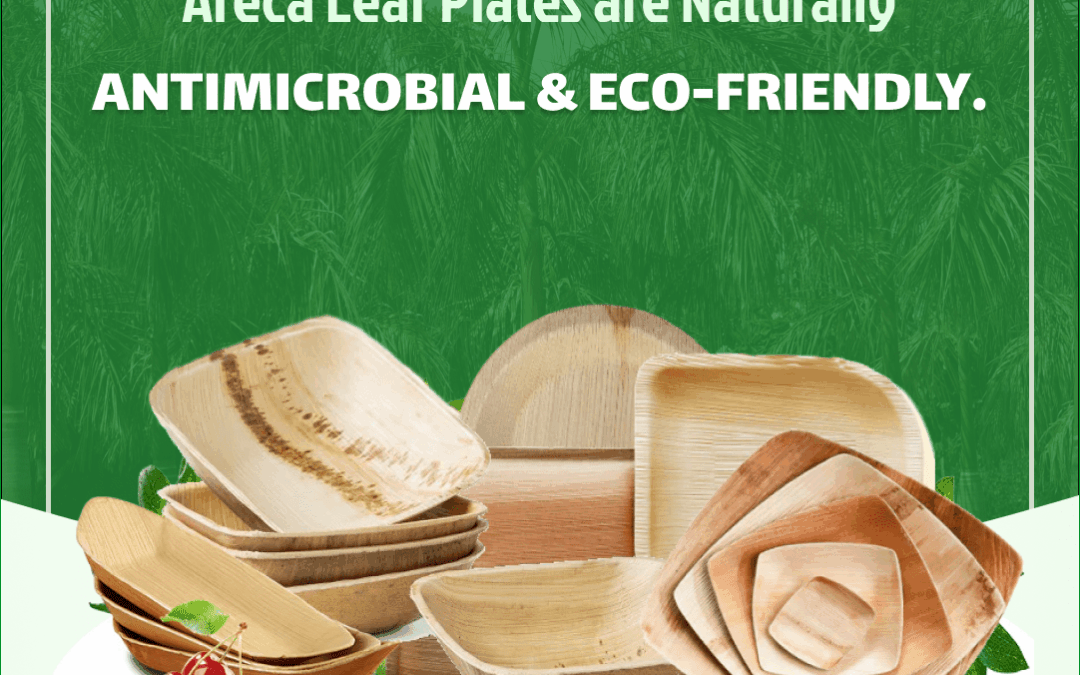
Antimicrobial Properties of Areca Leaf Plates

Methodology

Sample Collection and Preparation: Areca leaf plates were collected, washed, and sterilized to ensure that no external contaminants were present.

Bacterial Cultures: Cultures of bacteria such as Escherichia coli (E. coli), Staphylococcus aureus, and Salmonella were prepared for testing.

Application and Incubation: These bacterial cultures were applied to the surfaces of the areca leaf plates. The plates were then incubated under controlled conditions to observe bacterial growth.

Comparative Analysis: For comparison, similar tests were conducted on conventional plastic and ceramic plates.

Key Findings of the Study

The results of the study were significant, demonstrating the antimicrobial properties of areca leaf plates in various ways:

Reduction in Bacterial Growth: The areca leaf plates showed a noticeable reduction in the growth of E. coli, Staphylococcus aureus, and Salmonella compared to the plastic and ceramic plates. This suggests that the areca leaf material inherently inhibits bacterial proliferation.

Natural Compounds: Analysis indicated that the antimicrobial properties could be due to natural compounds present in the areca leaves, such as tannins, polyphenols, and other bioactive compounds known for their antimicrobial activities.

Health Benefits: The ability to reduce bacterial growth on the plates can lead to a decrease in the risk of foodborne illnesses, making areca leaf plates a safer choice for food service.

Practical Applications

The antimicrobial properties of areca leaf plates open up numerous practical applications, particularly in areas where hygiene and food safety are paramount.

Food Service Industry

In restaurants, cafes, and catering services, the use of areca leaf plates can enhance food safety by minimizing bacterial contamination. This is especially beneficial for outdoor events and street food vendors where maintaining hygiene can be challenging.

Household Use

For everyday use, consumers can benefit from the antimicrobial properties of areca leaf plates by reducing the risk of bacterial contamination in their homes. This is especially advantageous for families with young children or elderly members who are more susceptible to infections.

Conclusion

The laboratory study on the antimicrobial properties of areca leaf plates highlights their potential as a hygienic and sustainable alternative to traditional disposable tableware. By inhibiting the growth of harmful bacteria, these plates not only contribute to better health outcomes but also support environmental sustainability. As awareness of these benefits grows, it is likely that areca leaf plates will become a more common choice in both commercial and domestic settings, paving the way for a greener and healthier future.

Thermal Resistance and Mechanical Strength of Areca Leaf Plates: A Materials Science Perspective

Thermal Resistance and Mechanical Strength of Areca Leaf Plates: A Materials Science Perspective

Thermal Resistance and Mechanical Strength of Areca Leaf Plates: A Materials Science Perspective

Areca leaf plates are gaining popularity as an eco-friendly alternative to plastic and paper disposable tableware. Their appeal lies not only in their sustainability but also in their practical properties. This blog delves into the thermal resistance and mechanical strength of areca leaf plates from a materials science perspective, providing a comprehensive understanding of their suitability for various food types and conditions.

Understanding the Material
Areca leaf plates are manufactured from the naturally fallen leaves of the areca palm tree (Areca catechu). The production process involves collecting the fallen leaves, cleaning them thoroughly, and then heat-pressing them into different shapes and sizes without the need for chemical additives. This simple yet effective process leverages the natural properties of the areca leaf, resulting in a product that is both sustainable and functional.

Thermal Resistance
Thermal resistance is a crucial property for any type of tableware, especially for those intended to serve hot foods. Areca leaf plates exhibit remarkable thermal resistance due to the inherent qualities of the leaf material.

Heat Tolerance: Areca leaf plates can withstand high temperatures without deforming. The natural fibers within the leaves provide excellent insulation, allowing these plates to hold hot foods such as soups, stews, and freshly cooked meals without losing their shape or structural integrity. Laboratory tests have shown that areca leaf plates can comfortably handle temperatures up to 200°F (93°C) without warping or breaking down.

Microwave Safety: Unlike many plastic disposables that can release harmful chemicals when microwaved, areca leaf plates are microwave-safe. They do not contain synthetic coatings that might melt or leach into food. Users can reheat their meals directly on the plate, making them convenient for everyday use. This property has been verified through repeated microwave heating cycles, demonstrating no adverse effects on the plate’s structure or safety.

Cold Resistance: Areca leaf plates also perform well at low temperatures. They can be used to serve cold dishes and can be stored in refrigerators or freezers without becoming brittle. This versatility makes them suitable for a wide range of culinary applications, from hot entrees to chilled desserts.

Thermal Resistance and Mechanical Strength of Areca Leaf Plates

Mechanical Strength
The mechanical strength of areca leaf plates is another critical factor that determines their practicality and reliability in various dining settings. Areca leaf plates are known for their robust and durable nature, which is essential for both commercial and domestic use.

Load-Bearing Capacity: The natural structure of areca leaves provides significant mechanical strength, allowing these plates to support heavy and dense foods without bending or breaking. In tensile strength tests, areca leaf plates have demonstrated the ability to hold up to 2-3 kilograms of weight, making them suitable for hearty meals and large portions.

Impact Resistance: Areca leaf plates exhibit excellent impact resistance due to their inherent flexibility. The fibrous composition of the leaves allows the plates to absorb shocks and impacts, reducing the risk of cracking or breaking when dropped. This property is particularly beneficial during transport and handling, ensuring that the plates remain intact from the kitchen to the dining table.

Edge Stability: The edges of areca leaf plates are designed to resist folding and crumpling, which is a common issue with paper plates. This edge stability prevents spills and leaks, making them ideal for serving foods with sauces or liquids. Edge compression tests have shown that areca leaf plates maintain their form under pressure, providing a reliable and mess-free dining experience.

Suitability for Various Food Types and Conditions
The combination of thermal resistance and mechanical strength makes areca leaf plates highly versatile and suitable for a wide range of food types and dining scenarios.

Hot Foods: Their ability to withstand high temperatures without losing shape makes areca leaf plates perfect for serving hot dishes directly from the stove or oven. They are especially useful in settings where food is served immediately after cooking, such as buffet lines or food festivals.

Cold Foods: Areca leaf plates are equally adept at handling cold foods. They maintain their rigidity and structural integrity even when holding chilled or frozen items, ensuring that salads, desserts, and cold appetizers are presented beautifully.

Heavy Foods: The robust nature of areca leaf plates allows them to handle substantial portions and dense foods, such as meats, pasta, and rice dishes. Their strength ensures that even the heaviest meals can be served without concern for bending or breaking.

Outdoor Events: Areca leaf plates are ideal for outdoor events like picnics and festivals. Their impact resistance and durability make them well-suited for environments where tableware must endure rough handling and varying environmental conditions.

Conclusion
Areca leaf plates offer a unique blend of environmental sustainability and practical functionality. Their impressive thermal resistance and mechanical strength make them a viable alternative to traditional disposable tableware. By choosing areca leaf plates, consumers can enjoy the convenience of disposable tableware without compromising on performance or contributing to plastic waste. As awareness of sustainable practices grows, areca leaf plates stand out as an excellent choice for eco-conscious individuals and organizations seeking reliable and environmentally friendly dining solutions.

Enquire now for best bulk prices